White Noise for Baby Sleep: How to Use It Safely
If your baby seems to sleep better with a gentle whoosh in the background, you are not imagining it. White noise can be a wonderful sleep tool, and using it safely is simple once you know the basics.

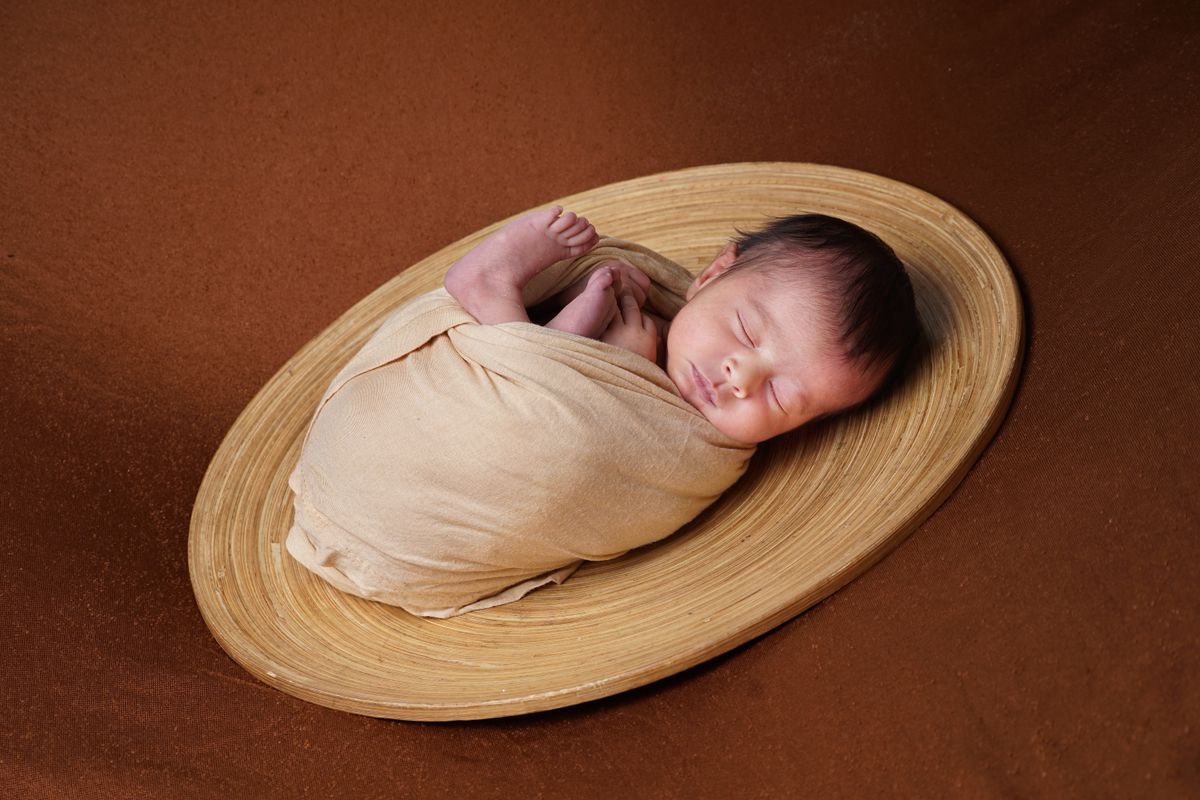
Photo via Pexels
Newborns spend nine months in a surprisingly loud environment. The steady rush of blood flow, the muffled thump of a heartbeat, the hum of your body going about its day - the womb is closer to the sound of a running shower than to a silent room. So when your baby seems to settle to a gentle background whoosh, they are simply responding to something deeply familiar.
White noise is one of the easiest, most affordable tools in a tired parent's kit. Used well, it can take the edge off fussing, smooth over the bumps that jolt light sleepers awake, and become a reliable cue that says it is time to rest. Used carelessly, it can be too loud for little ears. This guide covers both sides so you can use it with confidence.
You do not need an expensive machine to get the benefit, either. A dedicated sound machine, a fan, or a simple app can all do the job. What matters far more than the device is how you use it - the volume, the placement, and the consistency. Get those right and white noise quietly earns its keep night after night, without you thinking about it much at all.
Why White Noise Helps Babies Sleep
White noise is a broad, even blend of sound frequencies - the audio equivalent of a soft, steady static. Related sounds like pink noise (a little deeper, think steady rain) work similarly. Here is why babies tend to respond so well.
It recreates a womb-like environment
The constant, rhythmic hush of white noise echoes the muffled soundscape your baby knew before birth. For a newborn adjusting to the strange quiet of the outside world, that familiarity can be genuinely calming and can shorten the fussy stretch before sleep.
It masks sudden household sounds
A dog barking, a door closing, an older sibling thundering down the hall, the dishwasher clicking over - these sharp, unpredictable noises are exactly the kind that startle a light sleeper. A steady sound floor smooths those spikes so a single sudden sound is far less likely to snap your baby out of a nap. If short, easily interrupted naps are a theme in your house, an unpredictable sound environment is a common and very fixable culprit.
It becomes a sleep cue
Babies thrive on predictable signals. When the same gentle sound plays every time you dim the lights and settle in, it quickly becomes part of the wind-down. Paired with a consistent baby bedtime routine, white noise tells your baby's brain that rest is coming - no words required.
This cueing effect is especially handy away from home. Travel, holidays, hotel rooms, and grandparents' houses all throw off a baby's usual environment, but a familiar sound travels with you. Many parents find that a portable sound machine is one of the few things that reliably helps their baby sleep in an unfamiliar room, precisely because it carries a piece of home with it.
Safe Volume and Placement
This is the part that matters most, so it is worth getting right. White noise is safe for babies when it is kept at a moderate volume and placed at a sensible distance. The concern is simple: sound that is too loud, played for hours, close to the ear, is not good for developing hearing.
Aim for a soft, steady level
Around 50 decibels is a comfortable target. That is loud enough to soften household sounds but soft enough to protect little ears over a long stretch of sleep. If you have a decibel-meter app on your phone, hold it near where your baby's head rests and check - you may be surprised how quickly volume climbs.
Keep the machine well away from the crib
Place the sound machine across the room, ideally about 7 feet (roughly 2 meters) from where your baby sleeps, and never inside the crib. Distance lowers the volume reaching the ear and keeps cords and the device itself well away from your baby's sleep space, which matters for safe sleep. The crib should stay clear of everything but a firm mattress and a fitted sheet.
Do not crank it to drown everything out
It can be tempting to turn the volume way up during a fussy evening, but louder is not more soothing - it is just louder. A moderate level does the masking job perfectly well. Resist the urge to max it out.
Set it and leave it
Once you have found a level that sounds like a soft, steady shower from where you stand at the crib, note that setting and leave it alone. There is no need to nudge it up as the night goes on. If your baby is stirring more than you would like, the answer is almost never more volume - look instead at wake windows, room temperature, or the timing of the last feed. A well-placed machine at a modest level is doing its job even when it feels too gentle to your adult ears.
Continuous vs. Timer
Most sound machines let you choose between playing all night or shutting off on a timer. There is no single right answer - it depends on your baby and your home.
The case for continuous
Babies commonly stir between sleep cycles, roughly every 45 to 60 minutes. If the white noise cuts out on a timer and your baby surfaces into a suddenly silent room a while later, the change itself can wake them. Running the sound continuously through the night or nap keeps the environment consistent from the moment they fall asleep to the moment they wake, which is why many parents prefer it - especially for babies prone to false starts at bedtime.
The case for a timer
Some parents prefer the sound only for the tricky falling-asleep phase and are happy for the room to go quiet once their baby is settled. If your home is naturally calm at night and your baby sleeps well through silence, a timer is perfectly reasonable. If you go this route, keep the total playtime and volume modest.
How to Wean Off White Noise
White noise is not a habit you have to break. Plenty of families use it happily for years, and there is nothing wrong with that. But if you would like to phase it out - maybe for travel, or simply because you want to - it is easy to do gradually.
When you might want to
There is no deadline. Some parents wean once their baby is a solid, less easily disturbed sleeper - often somewhere in the second half of the first year. Others keep it indefinitely because it makes travel and unfamiliar rooms so much easier. Do what works for your family; there is no prize for a silent nursery.
A gentle, gradual approach
If you do want to phase it out, slow and steady wins. Try these steps over a couple of weeks:
- Lower the volume a notch every few nights. Small, gradual drops are far less noticeable than a sudden change.
- Switch to a timer if you were running it continuously, starting with a longer duration and shortening it over time.
- Keep everything else steady. A consistent bedtime routine and a calm, cool room carry more of the sleep load once the sound fades. Our guide to the best room temperature for baby sleep can help here.
- Expect a few bumpier nights and hold the course. If sleep really deteriorates, simply pause and try again in a few weeks - there is no rush.
Keep the rest of the sleep foundation strong
White noise is a helper, not the whole picture. As you dial it back, lean harder on the fundamentals that were doing quiet work all along: an age-appropriate bedtime, well-timed naps, a dark room, and a wind-down your baby can predict. When those pieces are solid, the sound becomes far less load-bearing, and letting it go feels like no big deal rather than a leap.
Whether you keep white noise forever or wean it out next month, the goal is the same: a calm, safe, predictable place for your baby to rest. Get the volume and placement right, and this simple tool earns its place in your nights.

Let Hushly handle the sleep guesswork
Track naps, catch wake windows, and get gentle, expert-backed sleep guidance. Free to download.
Frequently asked questions
Is white noise safe for my baby every night?
How loud should the white noise be?
Where should I put the sound machine?
Should white noise play all night or turn off on a timer?
Will my baby become dependent on white noise?
Best Room Temperature
The ideal nursery temperature, a simple TOG dressing chart, and how to tell if your baby is too hot or too cold.
Swaddling Guide
How to swaddle your newborn snugly and safely, and the critical moment you need to stop for good.

Wake Windows by Age
The awake-time cheat sheet, from 30 minutes as a newborn to 6 hours as a toddler.