Safe Sleep Guidelines to Reduce the Risk of SIDS
Safe sleep can feel like a long list of rules when you are running on very little sleep yourself. The good news is that the most important steps are simple, consistent, and easy to share with everyone who cares for your baby.
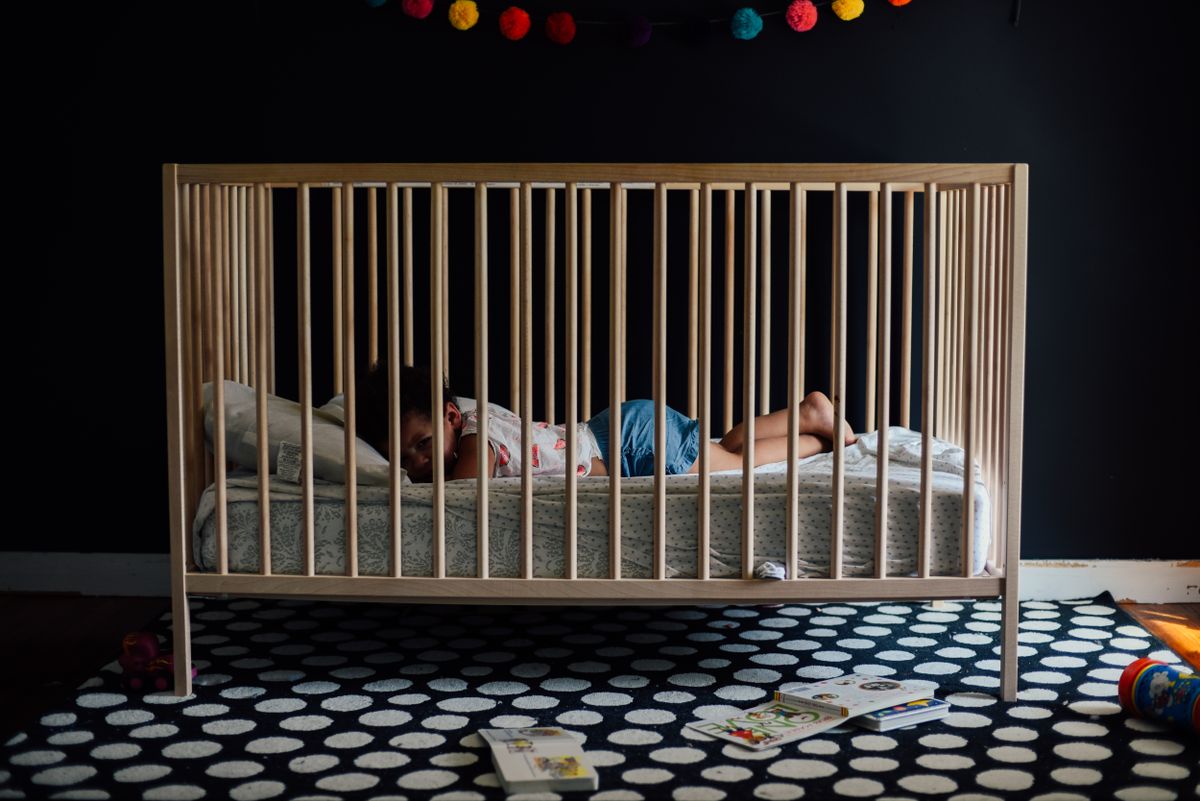
Photo via Pexels
The American Academy of Pediatrics (AAP) publishes safe sleep recommendations designed to lower the risk of sudden infant death syndrome (SIDS) and other sleep-related deaths. The NICHD's Safe to Sleep campaign shares the same core message in plain language, and decades of consistent guidance have helped families create safer sleep spaces.
This guide walks through those recommendations in the order most parents find useful, from the memorable ABCs to the details of swaddling and rolling. None of it requires special gear or perfect execution. It is about a few reliable habits, repeated for every nap and every night.
Why safe sleep matters
SIDS is the sudden, unexplained death of an infant under one year old, usually during sleep. Researchers do not know exactly why it happens, but they have identified sleep environments and practices that are associated with lower risk. Following safe sleep guidance is one of the most protective things you can do in your baby's first year.
Safe sleep is most important during the first six months, when the risk is highest, but the AAP recommends keeping these habits in place for the whole first year. Consistency matters more than perfection: the goal is that safe sleep becomes your automatic default, at home and everywhere else your baby sleeps.
The ABCs of safe sleep
The simplest way to remember the guidelines is the ABCs. Every sleep, your baby should be:
- A – Alone. Baby sleeps on their own separate surface, with nothing else in the sleep space.
- B – on their Back. Always place baby on their back to sleep, for naps and at night.
- C – in a Crib (or bassinet or play yard) that meets current safety standards, with a firm, flat mattress and a fitted sheet only.
If you can teach one thing to a new caregiver, teach the ABCs. Alone, on the Back, in a bare Crib covers the fundamentals, and the rest of this guide fills in the details.
Back to sleep, every sleep
Placing your baby on their back is the single most studied and consistent piece of safe sleep advice. The AAP recommends the back position for every sleep until a baby's first birthday, for naps and overnight alike.
A few points that reassure many parents:
- Back is safest even for babies who spit up. Healthy babies naturally protect their airway when on their back. Side and stomach sleeping do not reduce choking and carry higher risk.
- Every caregiver, every time. Babies who usually sleep on their back but are occasionally placed on their stomach are at particularly high risk, so make sure grandparents, sitters, and daycare all follow the back-to-sleep rule.
- Consistency prevents surprises. A baby unaccustomed to stomach sleeping who is placed that way is in an especially vulnerable situation, which is why "every sleep" matters.
A firm, flat, bare surface
Your baby's sleep surface should be firm and flat, in a crib, bassinet, or play yard that meets current safety standards. Use only a fitted sheet made for that mattress. The sleep space should otherwise be completely bare.
That means keeping these out of the crib entirely:
- Pillows and pillow-like products
- Blankets, quilts, and loose bedding
- Crib bumpers of any kind, including mesh and "breathable" versions
- Sleep positioners and wedges
- Stuffed animals and soft toys
A bare crib can look sparse, but bare is exactly the point. A fitted sheet on a firm mattress is all your baby needs to sleep safely. If you want your baby covered, a wearable blanket or sleep sack is the safe alternative to loose blankets.
Room-share without bed-sharing
The AAP recommends that babies sleep in the parents' room, close to the parents' bed but on a separate surface, ideally for at least the first six months and up to a year. Room-sharing this way makes feeding, comforting, and monitoring easier, and it is associated with lower risk than sleeping in a separate room.
Room-sharing is not the same as bed-sharing. Sharing an adult bed with your baby increases the risk of sleep-related death, especially in the early months. Keep your baby on their own firm, flat surface, such as a bassinet or crib, next to your bed rather than in it.
Feeding in bed happens, and the safest approach if you might doze off is a bare adult bed with no pillows or soft bedding near the baby. But the intended sleep location should always be baby's own separate surface. Once you have finished feeding, move your baby back to their crib or bassinet.
Overheating and a smoke-free space
Overheating is a recognized risk factor for SIDS, so dress your baby in light sleep clothing and keep the room at a comfortable temperature rather than warm. A good rule is to dress your baby as you would dress yourself, plus at most one light layer. Watch for signs of overheating such as sweating, damp hair, or flushed skin, and check warmth on the chest or the back of the neck rather than the hands and feet.
We cover this in detail in our guide to the best room temperature for baby sleep, including a simple dressing chart.
Keeping the space smoke-free is equally important. Exposure to smoke, both during pregnancy and after birth, raises the risk of SIDS. Keep your home and car completely smoke-free, and ask anyone who smokes to change clothing and wash their hands before holding your baby.
Breastfeeding and pacifiers
Two everyday practices are associated with lower SIDS risk, and both are worth knowing about.
Breastfeeding is protective, and the AAP recommends it where possible. Any amount helps, and the protective association grows with more exclusive and longer breastfeeding. If breastfeeding is not possible for your family, focus on the other safe sleep steps, which remain within your control.
Offering a pacifier at nap time and bedtime is also associated with a lower risk of SIDS, even if it falls out after your baby is asleep. A few practical notes:
- If you are breastfeeding, many families wait until feeding is well established, often around three to four weeks, before introducing a pacifier.
- Do not force it. If your baby refuses the pacifier or spits it out, that is fine.
- Never attach the pacifier to a cord, clip, or stuffed toy in the sleep space, and do not coat it in anything sweet.
Safe swaddling and when to stop
Swaddling can soothe a newborn and help some babies settle, and it is fine when done safely. Wrap snugly around the arms and chest, but leave enough room at the hips for the legs to bend up and out, since tight straight-leg wrapping can affect hip development. Always place a swaddled baby on their back, and make sure the swaddle cannot come loose in the crib.
When you stop swaddling, a wearable blanket or sleep sack with the arms free is a common next step. It keeps your baby cozy while leaving the arms available to move.
Tummy time and rolling
Back to sleep does not mean back all the time. Supervised tummy time while your baby is awake helps build the neck, shoulder, and core strength that supports rolling and other milestones, and it can ease flat spots on the head. Start with short sessions and build up as your baby grows, always staying nearby and alert.
Once your baby can roll both ways on their own, from back to stomach and stomach to back, you can continue to place them on their back to start sleep, but you do not need to reposition them if they roll during sleep. Let them find the position that is comfortable for them. Keep the crib bare and the swaddle gone by this stage.
For a broader picture of how sleep evolves in the early weeks and months, see our newborn sleep schedule guide.
Share these guidelines with every caregiver
Grandparents, sitters, and daycare providers all play a part. Walk through the ABCs together, and check trusted sources like the AAP and the NICHD Safe to Sleep campaign for the latest guidance.
Frequently asked questions
What are the ABCs of safe sleep?
Is it safe for my baby to sleep on their back if they spit up?
Can I bed-share with my baby if I am careful?
When should I stop swaddling my baby?
Does a pacifier really help reduce SIDS risk?
How long should we follow safe sleep guidelines?

Wake Windows by Age
The awake-time cheat sheet, from 30 minutes as a newborn to 6 hours as a toddler.
Newborn Sleep Schedule
Week-by-week sample rhythms for the first 12 weeks — flexible, not rigid.

Sleep Training a 4-Month-Old
Readiness signs, gentle methods compared, and a step-by-step starting plan.