The Complete, Safety-First Swaddling Guide
A good swaddle can turn a startly, restless newborn into a settled, sleepy one. Done safely, it is one of the oldest and gentlest sleep tools there is. Here is everything you need to swaddle with confidence.
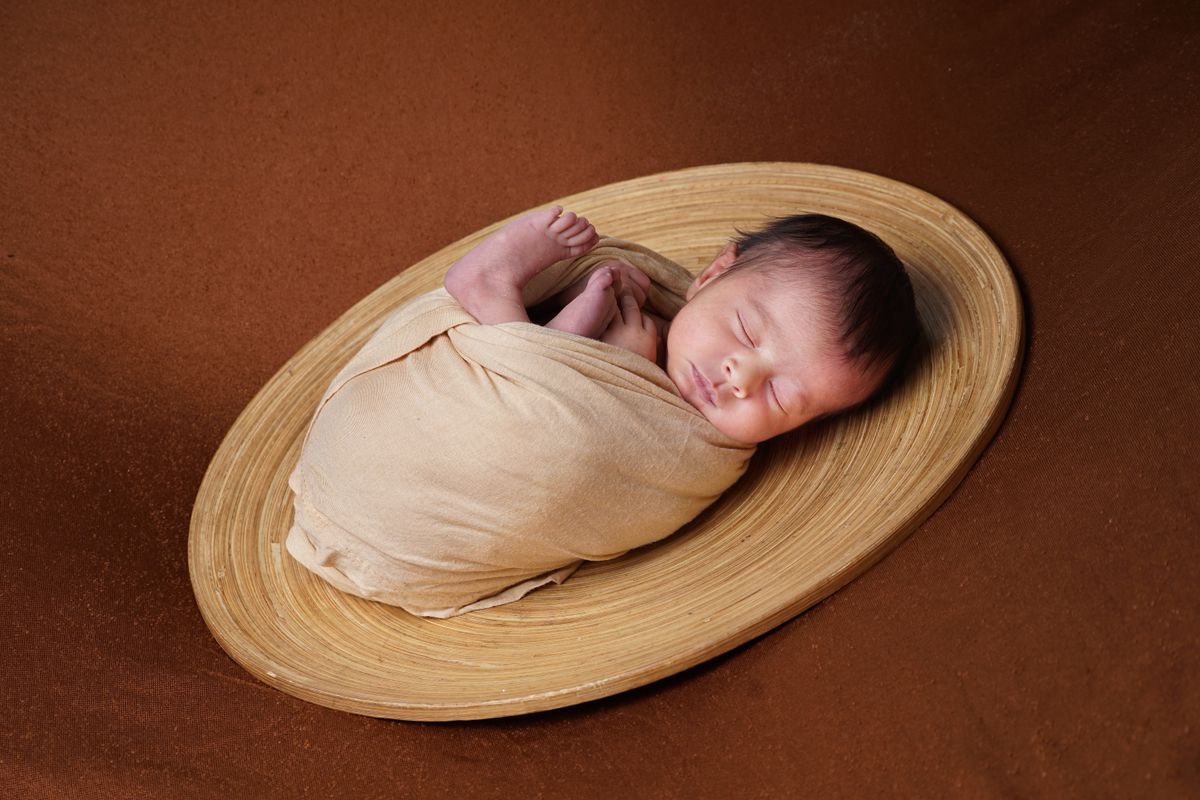
Photo via Pexels
In the early weeks, your newborn is adjusting to a world that feels enormous and unpredictable compared to the snug space they came from. A swaddle brings back some of that cozy, contained feeling - and for many babies, that is exactly what helps them settle into sleep.
Swaddling is simple, but the details matter. A wrap that is snug in the right places and loose in others, done on the back and kept cool, is a safe and effective tool. This guide walks through the why, the when, and the how - including the one rule you must never skip.
If your first few attempts come loose or your baby wriggles free, do not worry - it takes practice, and a zip-up or velcro swaddle sack can shortcut the learning curve entirely. What matters is understanding the principles behind a safe wrap so that whatever product you use, you are using it the right way.
Why Swaddling Helps Newborns Sleep
The main reason swaddling works comes down to a reflex your newborn cannot control.
It calms the Moro (startle) reflex
Newborns are born with the Moro reflex - a built-in startle response where the arms fling outward, often followed by crying, in reaction to a noise, a movement, or even the sensation of their own limbs jerking. This reflex is completely normal, but it has a frustrating side effect: it can jolt a sleeping baby wide awake just as they were drifting off. A snug swaddle gently keeps the arms contained, so those startles are far less likely to wake your baby.
It brings back a womb-like feeling
The firm, wrapped sensation echoes the close quarters of the womb. That familiarity can be soothing for a newborn who finds the open space of a crib unsettling, helping them relax into rest more easily. Combined with a predictable newborn sleep schedule, swaddling can make the early weeks a little smoother for everyone.
It can support longer stretches of rest
By quieting the startles that would otherwise cut sleep short, a swaddle can help some newborns settle faster and stay asleep a bit longer. It is not magic, and every baby is different, but for many families it is a genuine help in the fourth-trimester fog.
Not every baby loves it
A small but important caveat: some babies simply do not like being swaddled, and that is completely fine. If your newborn consistently fights the wrap, seems more upset once swaddled, or sleeps just as well without it, there is no reason to insist. Swaddling is a tool to try, not a box to tick. Watch your baby's response and let them tell you whether it helps.
When to Start and When to Stop
Swaddling has a clear window. Getting the timing right on both ends is what keeps it safe.
Start in the newborn stage
You can begin swaddling from birth. The newborn period - when the Moro reflex is strongest and your baby is not yet mobile - is exactly when swaddling does the most good. Many hospitals will show you a wrap before you even head home.
Stop at the very first signs of rolling
This is the single most important rule in this entire guide.
Some babies show rolling signs earlier than 8 weeks and some later - watch your baby, not the calendar. Early cues include rolling to their side, rocking on their back, or pushing up strongly during tummy time. As soon as you notice any of these, it is time to move on to arms-free sleepwear. For the full picture on back-sleeping and a clear crib, see our safe sleep guidelines.
It can feel like a big loss to give up something that was working so well, especially if the swaddle was the thing finally getting you decent stretches of sleep. That is a very normal worry. The good news is that stopping is a transition, not a cliff - and with a gradual approach, most babies adapt within a week or two. The safety benefit of retiring the swaddle at the first roll far outweighs a few bumpier nights, and there are gentle ways to ease the change, which we cover below.
How to Swaddle Safely, Step by Step
A safe swaddle is snug where it needs to be and loose where it matters. Here is how to get it right with a square blanket, though a zip or velcro swaddle sack makes this even simpler.
- Lay the blanket as a diamond and fold the top corner down a few inches to create a straight edge.
- Place your baby on their back with their shoulders just below that folded edge.
- Wrap one arm. Gently hold one arm down at your baby's side, bring that side of the blanket across the chest, and tuck it snugly under the opposite side of the body.
- Fold up the bottom, keeping it loose. Your baby's legs should be able to bend up and out at the hips - never wrapped straight and tight.
- Wrap the other arm by bringing the remaining side across and tucking it firmly, so the wrap is snug across the arms but never over the face or neck.
Snug across the arms, loose around the hips
The chest and arms should be firm enough that you can slip a hand between the blanket and your baby's chest but the wrap will not come undone. The hips and legs, though, need room. Wrapping the legs tightly and straight can strain hip development, so let the legs bend and spread naturally - this is what people mean by a hip-healthy swaddle.
Always on the back, never over the face, never too warm
Overheating is a real risk with any extra layer, so keep the room comfortably cool and check that your baby is not sweaty or flushed. Feel the back of the neck or the chest rather than the hands and feet, which often run cool and are a poor guide. Our guide to the best room temperature for baby sleep can help you dial this in.
Choose a lightweight, breathable fabric
The material of your swaddle matters more than parents expect. Reach for a light, breathable fabric such as muslin or thin cotton rather than anything thick, quilted, or fleecy. A breathable wrap lets heat escape and lowers the odds of overheating, and it tends to be easier to get snug in the right places too. In a warm room, a thin single layer under a light swaddle is often all your baby needs.
Transitioning Out of the Swaddle
When rolling signs appear, it is time to move on - and a gradual transition usually goes more smoothly than stopping cold. The idea is to let your baby get used to more freedom in stages.
The step-down approach
- One arm out. For a few nights, swaddle with one arm free and the other still wrapped. This lets your baby adjust to a little more movement while keeping some of the familiar snugness.
- Both arms out. Next, free both arms while still wrapping the torso, or move to a swaddle designed to be used arms-out.
- Into a sleep sack. Finally, transition to a wearable blanket, or sleep sack, with the arms fully free. A sleep sack keeps your baby cozy and warm without any wrapping, and it is safe to use well beyond the swaddle stage.
Expect a short adjustment
Your baby may startle themselves awake more for a few nights as they get used to their free arms - this is normal and usually settles within a week or so. A consistent wind-down helps here; if bedtime feels wobbly during the switch, our notes on false starts at bedtime may reassure you. Keep the room cool, keep the crib clear, and stay the course. Before long, your baby will be sleeping happily arms-free, and you will have retired the swaddle right on time.

Let Hushly guide those early nights
Track naps, catch wake windows, and get gentle, expert-backed newborn sleep guidance. Free to download.
Frequently asked questions
When should I stop swaddling my baby?
Why does swaddling help newborns sleep?
How tight should a swaddle be?
Can a swaddled baby sleep on their side or tummy?
How do I transition my baby out of the swaddle?
Could swaddling make my baby too warm?
Best Room Temperature
The ideal nursery temperature, a simple TOG dressing chart, and how to tell if your baby is too hot or too cold.
White Noise for Sleep
Why white noise helps babies settle, plus the safe volume and placement rules every tired parent should know.

Wake Windows by Age
The awake-time cheat sheet, from 30 minutes as a newborn to 6 hours as a toddler.