Sleep Training a 4-Month-Old: Gentle Methods That Work
Four months is often the earliest sensible time to begin — but only when a few things are in place. Here's how to tell if your baby is ready, which gentle method fits your family, and exactly how to start.

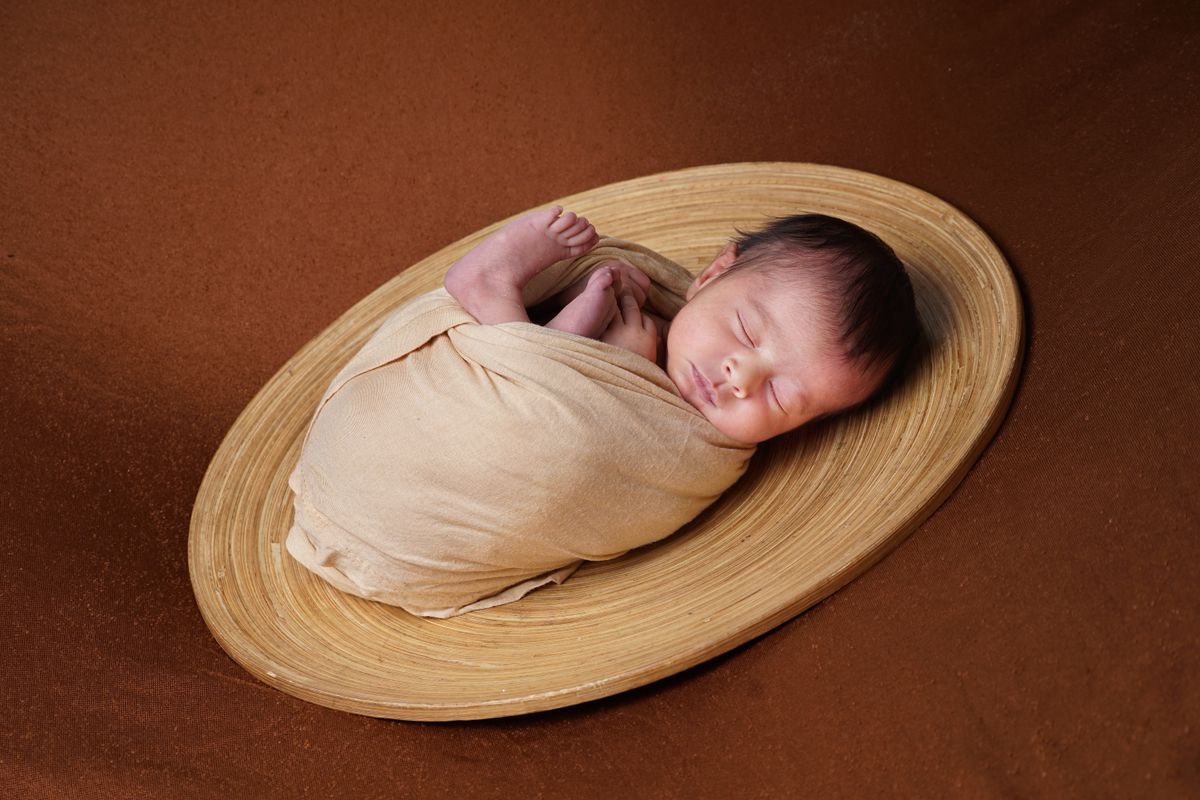
Photo via Pexels
By around four months, many babies are developmentally capable of learning to fall asleep more independently — which is what "sleep training" really means. It is not about leaving your baby to cry it out alone; it's about gently teaching the skill of falling asleep, using an approach you're comfortable with. Done with warmth and consistency, it can transform everyone's nights.
But timing and readiness matter enormously. Let's make sure your baby is ready, then pick the gentlest method that will actually work for your family.
Is a 4-month-old actually ready?
Four months is often cited as the earliest reasonable starting point because a few key things have usually developed: your baby's sleep has matured into adult-like cycles, their circadian rhythm is established, and they can go longer between night feeds. Signs your baby may be ready:
- They're roughly 4 months adjusted age or older.
- Sleep has become more predictable (even if currently disrupted).
- Their wake windows have stretched to around 1.5–2.5 hours.
- They can take a fuller feed and aren't purely comfort-nursing to sleep.
- Your pediatrician is happy with their weight and growth.
Do these 5 things before you train
Sleep training works far better when the foundations are solid. Rushing in without them is the most common reason it "doesn't work."
- Lock in safe sleep. Baby on their back, firm flat surface, empty crib. At 4 months, stop swaddling if you haven't — rolling is coming. Use a sleep sack instead.
- Get wake windows right. An overtired baby can't be trained. Aim for age-appropriate windows (see our wake windows chart) and an early bedtime.
- Build a consistent bedtime routine. The same 4–5 calming steps in the same order every night (bath, sleep sack, feed, book, song, into crib). Predictability is the actual training tool.
- Create a sleep-friendly room. Dark (blackout dark), cool, and white noise. This helps blunt the light-sleep wake-ups the regression brings.
- Separate feeding from falling asleep. Move the feed earlier in the routine so your baby goes into the crib drowsy but awake, not asleep on the bottle or breast. This one change is the heart of sleep training.
Gentle sleep training methods, compared
There's no single "right" method — the best one is the gentlest approach you can stay consistent with. Here's how the main options compare.
| Method | How it works | Crying | Best for |
|---|---|---|---|
| Pick-Up / Put-Down & Shush-Pat | Comfort baby in the crib; pick up only to calm, then put down drowsy. Repeat. | Minimal | Parents wanting maximum hands-on comfort |
| Fading / No-Cry | Gradually reduce your help (rocking → patting → hand on chest → presence) over 1–2 weeks. | Low | The gentlest, most gradual path |
| Chair Method (Gradual Retreat) | Sit by the crib as baby falls asleep; move the chair further away every few nights until you're out. | Low–moderate | Parents who want to stay present but fade out |
| Ferber (Graduated Check-ins) | Put baby down awake; return at gradually increasing intervals to briefly reassure. | Moderate | Families wanting faster results with check-ins |
Gentler methods (fading, chair) are lower-cry but take longer — often 1–2 weeks. Check-in methods (Ferber) tend to work in a handful of nights but involve more protest crying. Neither is "better"; pick what you can do consistently at 3 am without caving, because inconsistency is what actually prolongs the tears.
How to start, step by step
- Pick your method and commit for at least a week. Switching methods mid-stream confuses your baby and resets the clock.
- Start at bedtime, not naps. Sleep pressure is highest at night, so bedtime is the easiest win. Naps often fall into place a week or two later.
- Do your routine, then put baby down drowsy but awake. This is the moment they practice the skill.
- Respond according to your method. Whether that's patting, a check-in, or your chair, keep your response calm, brief, and boring — reassure, don't entertain.
- Decide your night-feed plan in advance. Many 4-month-olds still genuinely need 1–2 night feeds. Keep those feeds; just put baby back down awake afterward. Talk to your pediatrician about night weaning.
- Be boringly consistent. The same response every wake-up teaches the pattern fastest — and consistency is the kindest thing you can offer, because it shortens the whole process.
Sample 4-month-old sleep schedule
A predictable day makes nights easier. Here's a typical 3-nap day for a 4-month-old (adjust to your baby's wake windows):
| Time | Activity |
|---|---|
| 7:00 | Wake & feed |
| 8:45 | Nap 1 (after ~1h45 awake) |
| 10:15 | Wake & feed |
| 12:15 | Nap 2 |
| 1:45 | Wake & feed |
| 4:00 | Nap 3 (short catnap) |
| 4:45 | Wake & feed |
| 6:15 | Bedtime routine begins |
| 6:45–7:00 | Into crib drowsy but awake |
| Overnight | 1–2 feeds as needed |
Total sleep at this age lands around 12–15 hours across day and night. If naps are still short and unpredictable, that's normal at 4 months — prioritize a consistent bedtime first and let daytime sleep mature.
Troubleshooting common snags
- Baby cries harder on night 2–3. This "extinction burst" is common and usually precedes improvement. Stay consistent.
- Early-morning wakes (5 am). Often caused by too-late a bedtime or too-long a last wake window. Try an earlier bedtime and blackout curtains.
- Naps won't consolidate. Nap training lags bedtime by a week or two. Keep wake windows tight and give it time.
- It was working, then fell apart. Teething, illness, travel, or a developmental leap can cause blips. Return to your routine once it passes.
- You're not comfortable with the crying. Switch to a gentler method — fading or the chair method — rather than abandoning consistency altogether.
Still in the newborn stage and not ready for any of this yet? Start with the gentle foundations in our newborn sleep schedule guide, and get your timing dialed in with the wake windows chart.

A gentle sleep plan that adapts to your baby
Hushly builds a step-by-step routine around your baby's age and rhythm — pick no-cry, gradual retreat, or a Ferber-inspired approach, and adjust as you go. Free to download.
Frequently asked questions
Is 4 months too early to sleep train?
What is the gentlest sleep training method?
Should I stop night feeds when sleep training a 4-month-old?
How long does sleep training take at 4 months?
Can I sleep train during the 4-month regression?

Sleep Training Methods
A warm, honest comparison of every major sleep training method, so you can pick what fits your baby and you.

Wake Windows by Age
The awake-time cheat sheet, from 30 minutes as a newborn to 6 hours as a toddler.
Newborn Sleep Schedule
Week-by-week sample rhythms for the first 12 weeks — flexible, not rigid.