Teething and Sleep
When nights fall apart, teething is the first thing most of us blame. Sometimes it truly is the culprit, but far more often something else is going on. Here is how to tell, and how to help without creating new problems.
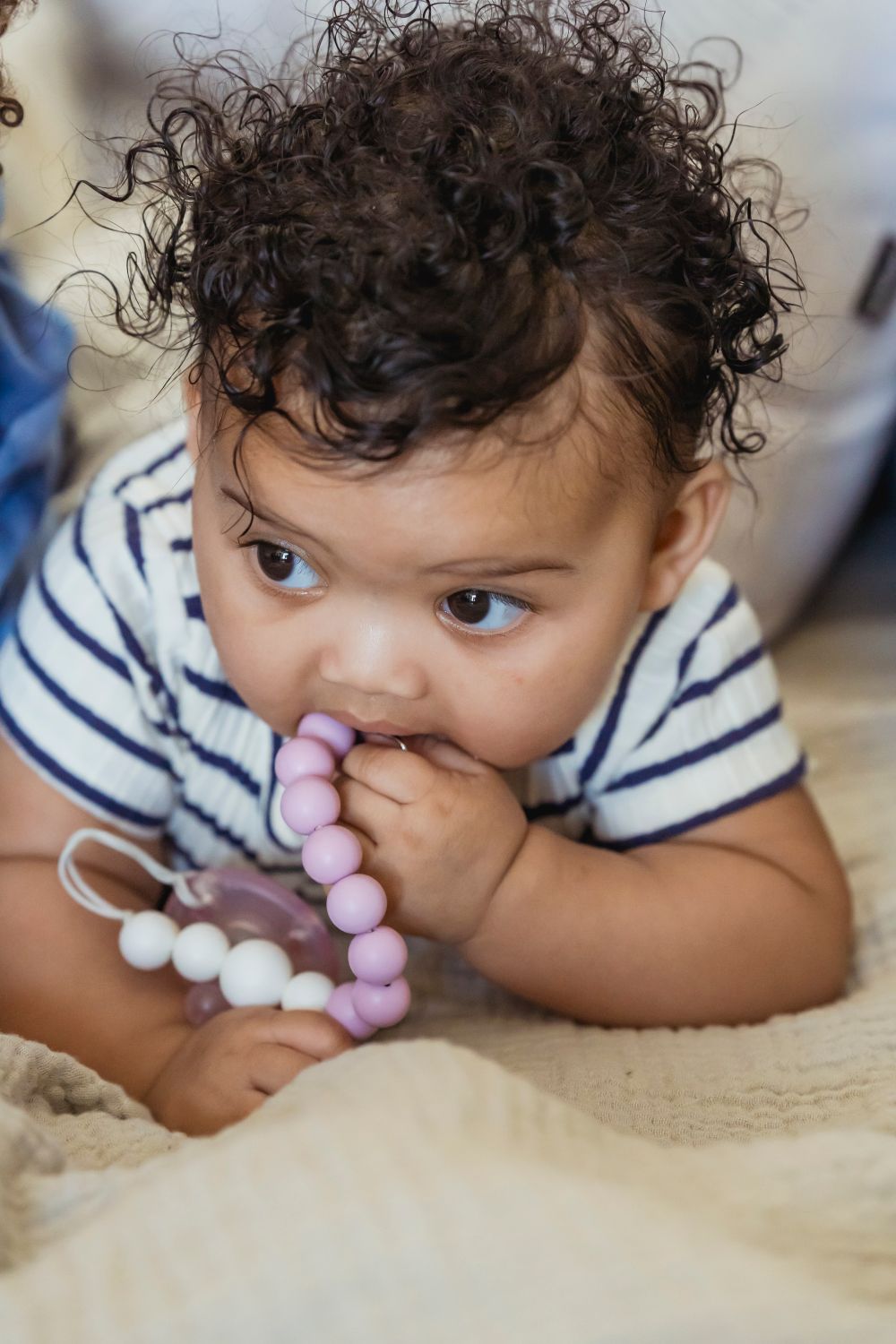
Photo via Pexels
Teething gets blamed for just about every rough patch in the first two years, from a single tricky night to weeks of broken sleep. It is the easy explanation, and sometimes it is the right one. But teething is genuinely responsible for far less sleep disruption than most of us assume.
Understanding what teething actually does, and what it does not, helps you respond calmly, comfort your baby well, and avoid accidentally trading a two-day sore-gum patch for a months-long sleep habit. Let's separate the real from the overblamed.
How Much It Really Affects Sleep
Here is the part that surprises most parents: genuine teething discomfort is usually mild and short-lived. The soreness tends to peak in the day or two around when a tooth actually breaks through the gum, not for the weeks of terrible nights teething often gets credited with.
Think about it from the tooth's side. A tooth is not slowly grinding upward for a month. It sits quietly, then cuts through the gum over a short window. That cutting window is when your baby may be genuinely uncomfortable, and it is typically brief. If your baby has had bad sleep for two or three weeks straight, teething alone is an unlikely explanation, even if you can feel a tooth on the way.
Babies are also getting teeth on and off for well over a year. If every tooth caused weeks of misery, they would barely sleep at all during that entire stretch. The reality is that most teeth arrive with little or no drama, and the ones you notice are the minority.
None of this means teething discomfort is imaginary. When a tooth is cutting, your baby may genuinely be sore, and that soreness can make it harder to settle and easier to wake. The point is one of proportion: teething earns credit for a night or two, not for a stubborn, weeks-long stretch of broken sleep. Holding that distinction in mind keeps you from missing the real cause while you wait for a tooth to explain everything.
True Teething Signs
Real teething comes with a recognizable, and notably mild, cluster of signs. These point to the gums specifically:
- Drooling more than usual, sometimes with a drool rash on the chin.
- Gum rubbing and a strong urge to chew or bite on hands, toys, and anything else within reach.
- Mild fussiness or clinginess, especially around the day the tooth cuts.
- Red, slightly swollen gums, or a visible or feelable tooth just under the surface.
- A slightly off mood, a bit more irritable than usual, but still recognizably your baby.
Notice what is not on this list: high fever, diarrhea, vomiting, a rash away from the mouth, or a baby who seems truly unwell. Those are not teething. Teething signs are mild and centered on the mouth. When the picture is bigger or more severe than that, something else is going on and deserves attention on its own terms.
Teething, Regression, or Illness?
Because teething, developmental sleep regressions, and illness can all wreck a few nights, it helps to have a way to tell them apart.
| Teething | Sleep regression | Illness | |
|---|---|---|---|
| Duration | A day or two around a tooth cutting | Days to a couple of weeks | Until the illness resolves |
| Daytime signs | Drool, chewing, gum rubbing, mild fuss | New skills, restlessness, often fine by day | Fever, congestion, poor feeding, unwell look |
| Mouth focus | Yes, clearly gum-centered | No | Not usually |
| What helps | Cool teether, gum massage, comfort | Consistency, protecting sleep habits | Treating the illness, pediatric guidance |
A developmental leap often looks like teething but centers on new skills and restlessness rather than the mouth, and the baby is frequently cheerful during the day. If your baby is around four months or the eight-to-ten-month window, a regression is a strong candidate. Our guides to the 4-month sleep regression and the 8-to-10-month regression can help you spot the difference. And when the nights are really about hunger or habit rather than pain, our piece on night wakings: hunger or habit is worth a read.
What Safely Helps
When your baby is genuinely sore around a cutting tooth, simple comfort measures go a long way, and they are safe to lean on for the short window they are needed.
- A clean, cool teether. Cool, not frozen solid, since rock-hard frozen objects can bruise tender gums. A chilled teething ring or a clean, cool washcloth to chew on gives gentle counterpressure.
- Gum massage. With a clean finger, rub your baby's gums firmly but gently. The pressure often brings real relief.
- Something safe to chew. A solid silicone teether sized so it cannot be a choking hazard lets your baby apply their own pressure where it helps.
- Extra comfort and patience. A little more holding, cuddling, and calm on a genuinely sore day is completely appropriate and reassuring for your baby.
If your baby seems to be in real pain, ask your pediatrician before giving any pain reliever. They can advise on whether an appropriate infant medication is suitable and the correct dose for your baby's age and weight. Never guess on medication, and never use an adult product or an old bottle without checking, since dosing for babies is weight-based and specific.
It also helps to remember that comfort itself is a real remedy. A sore baby often just wants to be close to you, and there is nothing wrong with offering that during a genuinely uncomfortable stretch. You are not spoiling your baby by holding them through a hard day; you are meeting a real need, and it passes quickly.
What to Avoid
Several popular teething products are unsafe, and some carry serious risk. It is worth knowing which to skip.
- Amber teething necklaces. These are a genuine strangulation and choking hazard and are not recommended. There is no sound evidence they relieve teething, and the risk is real, so skip them entirely.
- Teething gels and tablets with unsafe ingredients. Some numbing gels and homeopathic teething tablets have been flagged for ingredients that are unsafe for babies. Do not use teething products with numbing agents or unverified ingredients without your pediatrician's approval.
- Frozen-solid objects. Cool is soothing; rock-hard frozen can bruise gums. Chill teethers rather than freezing them solid.
- Any medication given on a guess. Always confirm with your pediatrician before giving a pain reliever, including the right product and dose.
Protecting Sleep Habits
Here is the trap that catches many well-meaning parents. A genuinely sore teething night calls for extra comfort, and that is fine. The problem is when a day or two of new habits, like rocking all the way to sleep or bringing baby into your bed, quietly hardens into a long-term expectation long after the tooth has cut.
Because teething discomfort is usually short, you can comfort generously in the moment and then return to your normal approach within a day or two. The gums stop hurting; the new crutch does not have to stay.
- Comfort freely on the genuinely rough night, then step back toward your usual routine as soon as your baby seems more comfortable.
- Keep the framework the same. Same bedtime, same wind-down, same sleep space. Extra reassurance within that framework is easier to walk back than a whole new one.
- Watch the calendar. If the "teething" nights stretch past a few days, revisit whether it is really a regression, a habit, or something else, rather than assuming more teeth.
The reassuring takeaway is that teething, while real, is usually a short and manageable bump rather than a sleep catastrophe. Comfort your baby through the sore day, keep your safe products safe, skip the risky ones, and protect the sleep foundation you have built. If you want help telling a one-off rough night from a genuine pattern, Hushly tracks the trend so you are not guessing.

See the pattern behind rough nights
Hushly tracks sleep and wakings so you can tell a one-off teething night from a real pattern and respond with confidence. Free to download.
Frequently asked questions
How much does teething really affect a baby's sleep?
How can I tell teething from a sleep regression?
Can teething cause a fever or diarrhea?
What safely helps a teething baby?
Are amber teething necklaces safe?
How do I comfort a teething baby without creating a new sleep habit?

4-Month Sleep Regression
Why your great sleeper suddenly wakes all night — and how to get through it.

8-10 Month Regression
Why sleep unravels at 8 to 10 months, how long it lasts, and how to hold steady without new sleep crutches.

Wake Windows by Age
The awake-time cheat sheet, from 30 minutes as a newborn to 6 hours as a toddler.