Hunger Cues vs. Sleepy Cues: How to Tell Them Apart
Your baby is fussing, and you have about three seconds to decide: milk or nap? Both hunger and tiredness end in the same tears, which is exactly why so many parents guess wrong. Here is how to read the early signs instead.

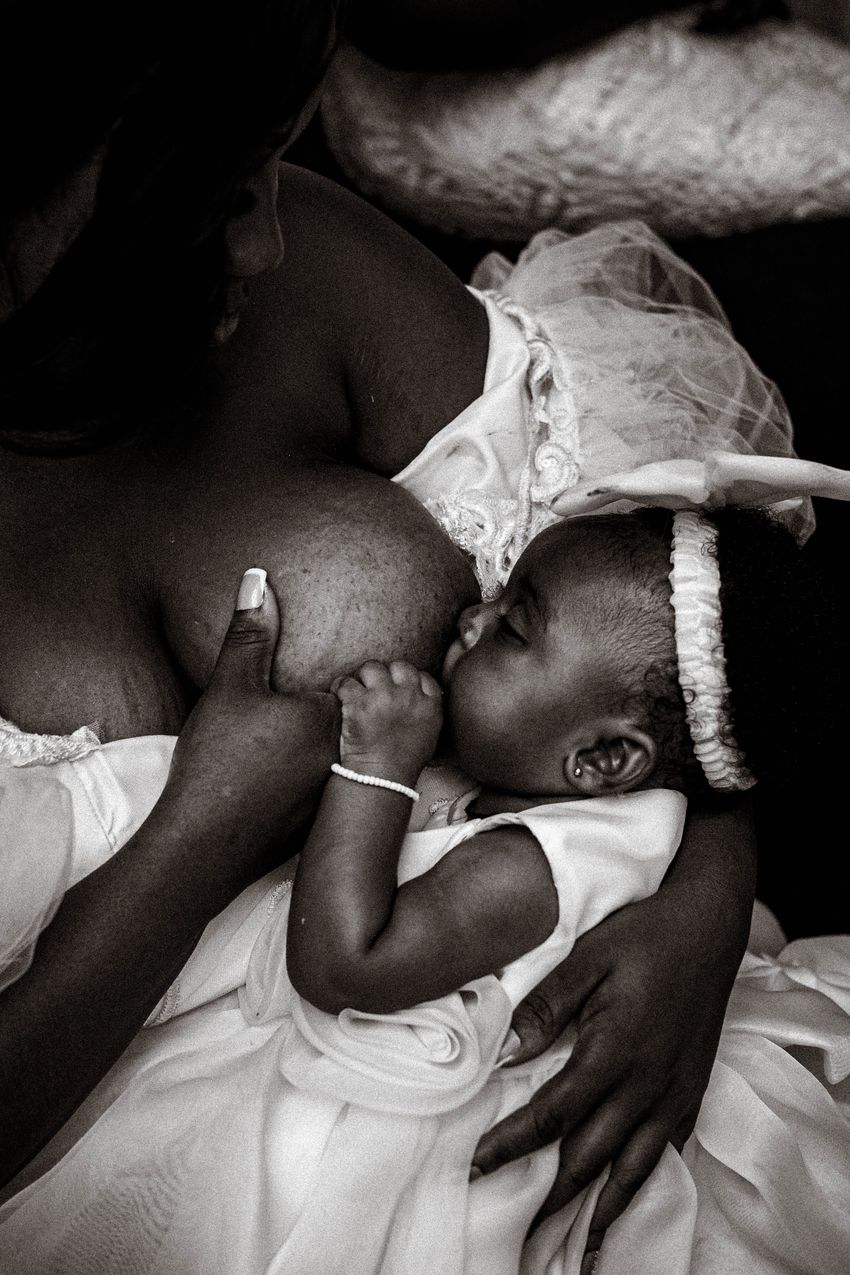
Photo via Pexels
Newborns cannot tell you what they need, so they show you. Long before a full-blown cry, your baby sends a stream of small signals about whether they are hungry, tired, or just ready for a change of scenery. The trouble is that hunger and tiredness both build to the same finale: fussing and crying.
In those first weeks, it can feel like you are being asked to speak a language you have never heard, in the dark, while running on no sleep. Take heart: cue-reading is a skill, not an instinct you are supposed to be born with, and it gets noticeably easier within a few weeks as you and your baby learn each other. This guide gives you the vocabulary so the learning curve is shorter.
Once you can spot the early cues, you stop guessing at the meltdown stage and start responding while your baby is still calm. That makes feeds smoother, naps easier, and your day noticeably less frantic.
Why hunger and sleepy cues get confused
There are two big reasons parents mix these up. First, both hunger and tiredness escalate along the same path. A baby who is not attended to early keeps ramping up until they are fussing and then crying, and by that point the crying looks identical whether the cause is an empty tummy or a missed nap window.
Second, an overtired baby often looks hungry. When a baby is past their window and flooded with stress hormones, they may root, bring hands to their mouth, and want to suck, not because they need calories but because sucking is soothing. Offer a feed and they may take a little, doze, and wake again quickly, leaving you convinced they were starving when they were actually exhausted.
There is a third reason too: in the early weeks, the cues themselves are genuinely subtle. Newborns are not dramatic communicators. A tiny yawn, a brief glazed stare, or the smallest rooting motion is easy to miss when you are exhausted and juggling everything else. Missing the quiet cue is not a failure on your part; it is simply what happens when the signal is faint and your attention is stretched thin.
The fix is to read the quieter, earlier signals and to keep an eye on the clock, which we will get to below.
Reading hunger cues
Hunger cues move from subtle to urgent. The earlier you catch them, the calmer the feed.
Early hunger cues
- Rooting: turning the head and opening the mouth, as if searching for the breast or bottle.
- Hands to mouth: bringing fists or fingers up to suck on them.
- Lip smacking and sucking motions, sometimes with a little tongue movement.
- Turning toward the breast or nuzzling into you when held.
Later hunger cues
- Increasing fussing and squirming.
- Repeatedly moving the head from side to side.
- Crying, which is a late hunger cue, not the starting point. A crying baby may need a moment to calm before they can latch or take a bottle well.
Keep in mind that some early hunger cues look almost identical to normal newborn behavior. Babies bring their hands to their mouths for self-soothing and exploration, not only for hunger, and a bit of rooting when something brushes the cheek is a reflex. So a single cue in isolation is not proof of hunger. It is the cluster of signals, plus the timing since the last feed, that tells the real story.
Reading sleepy cues
Sleepy cues follow the same early-to-late arc. Catching them early is the single best way to avoid an overtired, hard-to-settle baby.
Early sleepy cues
- Yawning, often the first clear sign.
- Staring off with glazed, unfocused eyes; disengaging from play.
- Losing interest in toys, faces, or feeding.
- Slower, calmer movements or brief stillness.
Later sleepy cues
- Red or heavy eyelids and a slightly puffy look around the eyes.
- Rubbing eyes or ears, pulling at the face (in babies old enough to reach).
- Jerky, fussy movements and arching.
- Fussing and crying, which, like with hunger, is a late cue that often signals your baby is already overtired.
The window between the first sleepy cue and full-blown overtiredness can be short, especially in young babies, sometimes just a few minutes. That is why it pays to start your wind-down at the first yawn or glazed stare rather than waiting to be sure. You are not putting your baby down too early; you are catching the ideal moment before the overtired hormones make settling much harder.
If you consistently see the late cues before you start winding down for sleep, your baby's awake time may be a touch too long. Our wake windows by age guide can help you find a better target for your baby's stage.
Side-by-side: early vs. late cues
| Early cues (act now) | Late cues (already overdue) | |
|---|---|---|
| Hunger | Rooting, hands to mouth, lip smacking, sucking motions, turning toward the breast | Frantic head movements, escalating fussing, crying |
| Sleep | Yawning, glazed or staring eyes, losing interest, red or heavy eyelids | Rubbing eyes and ears, arching, fussing, crying |
Notice how both bottom-right boxes end in crying. That shared endpoint is exactly why the left column matters so much. React on the left, and you rarely have to guess.
The eat-wake-sleep rhythm
One simple structure makes reading cues far easier: the eat-wake-sleep cycle. Instead of feeding your baby to sleep, you feed them right when they wake, keep them up for their wake window, and then put them down for the next nap.
The order is the point. Feeding on waking means your baby takes a full feed while alert, so hunger is satisfied for the whole window. And because the feed is separated from falling asleep, milk does not become the thing your baby needs in order to drift off, which helps you avoid a feed-to-sleep association that can drive frequent night wakings later.
There is a cue-reading bonus built into this rhythm. When feeds happen predictably at the start of each window, you gain a reliable reference point. If your baby fusses 20 minutes after a full feed, you can be fairly confident it is not hunger, which quietly rules out one of the two big possibilities and points you toward tiredness or a simple need for a position change or a moment of calm. The structure does some of the interpreting for you.
To put your baby down still awake at the end of the window, practice the drowsy but awake technique. And if you want a full example of how feeds and naps stack up across a day, the newborn sleep schedule shows the eat-wake-sleep flow in action.
When you truly cannot tell
Sometimes the cues are genuinely ambiguous, especially with a tired or fussy baby who is doing a bit of everything. When you are stuck, two clock-based questions cut through most of the confusion:
- How long since the last feed? If it has only been 45 minutes since a full feed, hunger is less likely (outside of growth spurts and cluster feeding), and tiredness moves up the list.
- How long since the last sleep? If your baby is near or past the end of their wake window, sleepy signals are the safer bet, even if they look a little hungry.
When it is a true coin flip, a common approach is to offer a feed first if it has been a reasonable stretch, then move to soothing for sleep. Just be careful not to feed to sleep every time you are unsure, or you can accidentally build the very association you are trying to avoid.
A few situations reliably bend the clock, and it helps to expect them. During a growth spurt, your baby may want to feed much more often than usual for a few days, so a shorter-than-normal gap since the last feed does not rule out real hunger. In the evenings, many babies cluster feed, taking several small feeds close together as they tank up before the longest sleep of the day. And in the newborn weeks, feeds are frequent and around the clock by design. On days like these, lean on your baby's cues over any tidy schedule.
It also helps to keep a light record, whether in your head, on paper, or in an app, of roughly when the last feed and last sleep happened. Sleep deprivation scrambles our sense of time badly, and "it feels like forever" is often only 40 minutes. Having the actual number takes a lot of the guesswork out of the moment.
Remember that a baby who looks hungry but has just eaten and is well past their window is very often simply overtired. When those two things line up, lean toward sleep. For more on how the two get tangled at night specifically, see night wakings: hunger or habit.

Catch the cue before the cry
Hushly tracks feeds and wake windows together, so you can see at a glance whether it is more likely time to eat or time to sleep. Free to download.
Frequently asked questions
Why does my baby seem hungry when they just ate?
Is crying a hunger cue or a sleepy cue?
What is the eat-wake-sleep rhythm?
Should I always feed my baby before a nap if I am unsure?
What are the earliest signs my baby is getting tired?

Cluster Feeding Explained
Feeding every 20 minutes all evening? That is often cluster feeding, and it is usually normal. Here is why it happens.
Am I Making Enough Milk?
Worried you're not making enough milk? Most parents who wonder actually are. Here are the signs that really matter.

Wake Windows by Age
The awake-time cheat sheet, from 30 minutes as a newborn to 6 hours as a toddler.